Hair loss
Hair loss
Hair leaving the scalp faster than it is replaced, or growing back finer, in patches, or not at all.
Beyond Alopecia is an online trichology practice for people who want to understand what’s happening to their hair, before deciding what to do about it.
Online, worldwide, with a certified trichologist. If part of what you describe belongs with a doctor, I’ll tell you who to see and what to ask for.

What people usually say
“It started about eight months ago and I still don’t know why.”
“My blood tests came back normal, so nobody looked any further.”
“I’ve spent a lot of money on things that didn’t do anything.”
“I can see it. I’m told I can’t.”
01 The idea
Something changes around it: health, hormones, medication, iron stores, stress, illness, a new phase of life, or an immune system that has started responding to the follicle. Sometimes several of those at once, months before anything showed.
Which is why the useful question is rarely what should I use? It’s what happened, and when, and what else was going on?
Beyond Alopecia exists to ask that question properly.

02 Alongside you

Most people arrive here having been passed between appointments, each one too short to explain anything. Someone runs a test, tells you it’s normal, and you leave with exactly the question you came in with.
We do it the other way round. We start with your story, all of it, in your own words, and build the picture together, piece by piece. Where part of the answer sits with a doctor, I’ll tell you who to see and what to ask, and write it down so the appointment actually counts. Where it sits with your hair, your scalp, your health and your life, that’s where I can help you most.
I’ve been on your side of this. I know what it is to notice something before anyone else believes you. You won’t have to explain yourself twice here.
Not a verdict. A guide, and someone to walk it with you.
03 Is this the right place?
If you’re in the second column, I’d still rather you knew now, and I’ll point you in the right direction either way.
04 Method

Your story first, and at length. What you’ve noticed, when it started, what else was happening in your life at the time. Nothing you say is too small or too silly, and you won’t have to explain twice.
Scalp and hair assessment, pattern, density, the condition of the skin, and anything you already have: photographs, blood results, previous notes.
We put it together. What the findings point to, what they make less likely, and what’s still an open question, explained properly, in language you can repeat to someone else.
What to do, in what order, how long to give it, and how we’ll know whether it’s working. Yours to keep, and written down.
Hair moves slowly, so I don’t disappear after an hour. If part of this belongs with a doctor, I’ll tell you who to see and what to ask, and write it out so the appointment counts. Then we pick it back up together.
05 Concerns
Hair loss
Hair leaving the scalp faster than it is replaced, or growing back finer, in patches, or not at all.
Scalp
The skin the hair grows from: itching, flaking, oil, irritation and inflammation, with or without hair loss alongside it.
Hair changes
Hair that is still there but behaving differently: breaking, changing texture, shedding more, or feeling thinner than it did.
These pages describe what people commonly experience. They aren’t a diagnostic tool, and reading one isn’t the same as being assessed.
06 The consultation
Before
I’ll send a short questionnaire and ask you to gather anything relevant: recent blood results, a rough timeline, photographs taken in daylight. Instructions are specific, and I’ll tell you exactly how to wear your hair.
During
A detailed history, then a structured assessment of your hair and scalp, then a conversation about what I’m seeing and what it may mean. You’ll have time to ask everything you came with.
After
A written summary: findings, what’s likely, what isn’t, what to do next, what to watch for, and anything worth raising with your doctor. Written so that a GP or dermatologist can read it.
07 Who I am
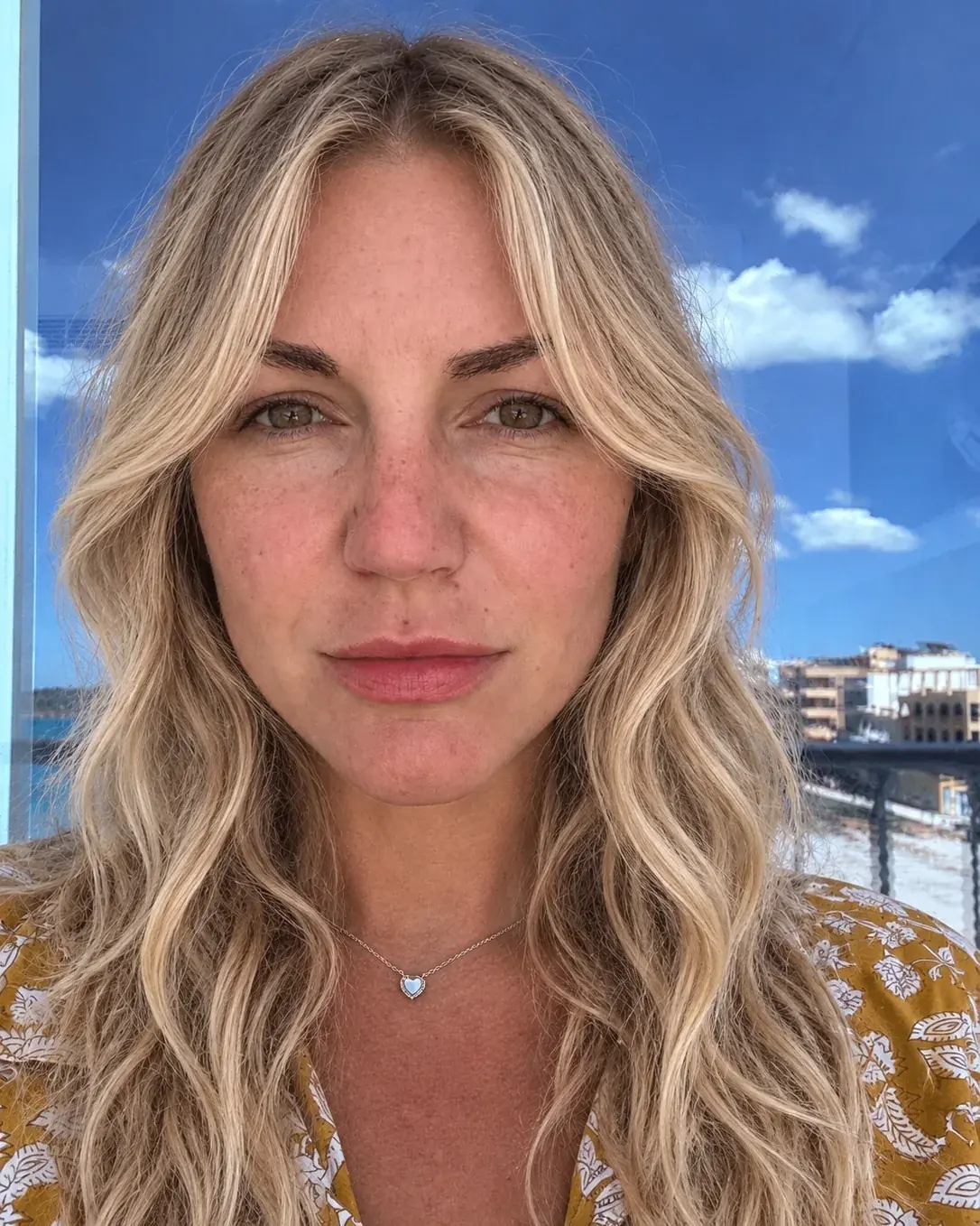
I’m Brigita, a certified trichologist based in Barcelona, working mainly with hair loss and autoimmune-related hair loss. I’ve had alopecia myself. It isn’t what qualifies me; the certification does that. But it’s why I ask the questions I ask, and why nothing you tell me is going to surprise me.
08 Journal
Writing about hair, scalps and the research behind them, without the sales pitch.

Nutrition & hair · 9 min
Shedding two to three months into losing weight is one of the most predictable things in trichology. The medications have made it more common, but they have probably not changed the mechanism.
Hair loss · 6 min
The number everyone quotes is 50 to 100 hairs a day. It is close to useless, and there is a better question to ask.
Hair science · 5 min
The most confusing feature of hair loss is its timing. Understanding the delay explains why so many people never find the cause.
09 Questions
A specialist in hair and scalp health. We take a long, detailed history, examine the hair and scalp closely, and help you understand what may be happening and what to do next. It is a certified professional field, and a separate one from medicine: naming a condition and prescribing for it belong with a doctor, and I’ll always tell you when that’s the step you need.
No, and you may well want both. A dermatologist is a medical doctor: diagnosis, prescriptions, biopsies. A trichologist has the time a fifteen-minute appointment doesn’t: the full history, the whole picture, the explaining. They work best together, which is why I refer often and stay involved afterwards.
A long history first, then a structured assessment of your hair and scalp, then a conversation about what I am seeing and what it may mean, then next steps. Afterwards you receive a written summary. The full breakdown, with timings, is on the consultations page.
I won’t promise you that, and I’d be wary of anyone who does before they’ve met you. Some kinds of hair loss recover well, some are managed rather than reversed, and some depend on things nobody can predict yet. What I can do is help you find out which of those you’re likely dealing with, which is the thing that actually changes what you do next.
Prescribing belongs with a doctor. If what I’m seeing points that way, I’ll say so clearly and write out what to ask for, so you walk into that appointment prepared rather than hoping for ten good minutes.
Then I’ll say so, and I’ll tell you who is. I’d far rather send you to the right person than take your money for a plan that was never going to work. You won’t leave empty-handed either way.
A consultation won’t hand you certainty about everything. Nobody honestly can. It will give you a much clearer picture of what’s happening, what to do next, and someone in your corner who takes it as seriously as you do.
Not ready? Start here or read the Journal.
Newsletter
Notes on hair, scalps and the research behind them. Roughly monthly, sometimes less. No offers, no urgency, unsubscribe whenever you like.